Communal Area Cleaning: A Practical Approach to Safer, Fresher Shared Spaces
Why Communal Area Cleaning Matters in Modern Properties
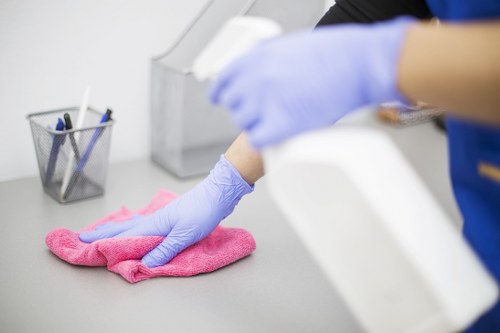
Communal area cleaning is one of the most important services for keeping shared spaces clean, hygienic, and comfortable for everyone who uses them. In apartment blocks, office buildings, student accommodation, retirement communities, mixed-use developments, and commercial properties, these shared areas are the first spaces people see and the spaces they use most often. That means communal area cleaning is not just about appearance; it also supports safety, health, and a better day-to-day experience.
When communal spaces are neglected, dirt builds up quickly. Dust settles on ledges and skirting boards, fingerprints appear on glass and door handles, bins overflow, and floors can become slippery. These issues can make a property feel poorly maintained even if the private areas are spotless. Regular communal area cleaning helps create a positive impression, reduces the spread of germs, and protects the long-term condition of the building.
For property managers, landlords, facility teams, and residents’ associations, a reliable communal area cleaning routine can also reduce complaints and improve occupancy satisfaction. A clean lobby, staircase, lift, corridor, and entrance area sends a clear message: the property is cared for and valued. Clean shared spaces matter because they affect everyone, from residents and tenants to visitors and maintenance staff.
What Communal Area Cleaning Includes

Communal area cleaning usually covers all shared spaces within a property, especially those used by multiple people every day. The exact cleaning schedule depends on the building, footfall, and type of use, but the aim is always the same: keep common areas presentable, hygienic, and safe.
Typical communal area cleaning tasks include:
- Vacuuming and mopping corridors, halls, and entrance floors
- Dusting skirting boards, handrails, ledges, and radiators
- Cleaning door glass, internal windows, and mirrored surfaces
- Wiping down bannisters, switches, intercom panels, and touchpoints
- Emptying bins and replacing liners
- Cleaning lifts, lift buttons, and elevator surrounds
- Removing cobwebs and debris from corners and ceilings
- Spot cleaning walls, doors, and high-contact surfaces
In many buildings, communal area cleaning also includes outside entrances, thresholds, porch areas, shared stairwells, bike storage areas, and bin stores. Some properties may need periodic deep cleaning for floors, carpets, or upholstery in lounge-style communal rooms. The service can be tailored to fit both small residential blocks and larger multi-storey buildings.
Benefits of Regular Communal Area Cleaning
1. Better hygiene and reduced germ spread
Shared surfaces can carry bacteria and viruses, especially in high-traffic buildings. A consistent communal area cleaning schedule helps reduce the spread of germs by targeting key contact points such as handles, buttons, railings, and entry systems. This is especially important in seasonal illness periods or buildings with many residents and frequent visitors.
Hygiene is not just about visible dirt. A space can look tidy while still harbouring dust, allergens, and contaminants. Thorough communal area cleaning improves the overall environment and supports a healthier atmosphere for everyone.
2. Stronger first impressions
When visitors enter a clean building, they immediately associate the property with professionalism and care. That matters in residential developments, office buildings, managed apartments, and student accommodation. Clean communal areas can even influence tenant retention and rental value because they show that the building is maintained to a high standard.
3. Safer shared spaces
Spills, litter, dust, and debris can create hazards. Slippery floors, blocked walkways, and poor visibility on staircases can all lead to accidents. Routine communal area cleaning helps remove these risks before they become a problem. It also supports compliance with building management expectations and duty-of-care responsibilities.
4. Protecting property value
Regular cleaning helps preserve finishes, fixtures, and fittings. Dirt left on floors, rails, and walls for long periods can cause staining, wear, and deterioration. By investing in communal area cleaning, property owners can avoid unnecessary repair costs and extend the life of surfaces throughout the building.
Key Areas Covered in Communal Area Cleaning
Every building has unique shared areas, but there are several spaces that almost always require attention. These locations tend to collect the most dirt because they are used by everyone, every day. A well-planned communal area cleaning schedule pays close attention to these high-traffic zones.
Entrance halls and lobbies
The entrance is where all cleaning standards become visible immediately. Footprints, mud, and fingerprints can quickly make the area look untidy. Regular sweeping, mopping, glass cleaning, and touchpoint wiping are essential for a polished look.
Staircases and landings
Stairs, handrails, and landings experience constant use and should be cleaned frequently. Dust and debris often gather in corners, along edges, and on stair nosings. In properties with carpeted stairs, vacuuming is especially important.
Corridors and hallways
Long corridors can become dusty and dull if not cleaned often. Communal area cleaning in these spaces should include floor care, skirting dusting, wall spot cleaning, and the removal of any rubbish or loose debris.
Lifts and elevator areas
Lift interiors and surrounding panels are high-contact areas. Buttons, mirrors, doors, and floors need regular attention to maintain hygiene and appearance. Because lifts are small enclosed spaces, they can also feel unpleasant quickly if cleaning is inconsistent.
Shared bins and waste areas
Bin stores and waste collection zones can develop odours, spills, and pests if neglected. Cleaning these areas helps control smells and improves overall building hygiene. In many cases, communal area cleaning plans include sanitising these spaces on a set schedule.
How a Professional Communal Area Cleaning Service Works
A professional communal area cleaning service usually begins with an assessment of the property. The cleaning provider looks at the size of the building, the level of traffic, the type of flooring, and any specific problem areas. This helps create a cleaning plan that is efficient, practical, and suited to the building’s needs.
After the assessment, the service is typically arranged on a daily, weekly, or bespoke basis. For some properties, cleaning may be required several times a week. For others, a less frequent but thorough routine may be enough. The aim is to match the schedule to the level of use so that communal area cleaning remains consistent and cost-effective.
Professional cleaners often follow a checklist to ensure nothing is missed. This may include floors, surfaces, bins, doors, glass, lift panels, and sanitation points. Using a structured process ensures communal area cleaning remains reliable from one visit to the next.
Common cleaning methods used
- Dry dusting and damp wiping for surfaces
- Vacuuming for carpets and entrance mats
- Mopping with suitable floor-safe solutions
- Microfibre cleaning for dust and fingerprints
- Disinfecting high-touch points
- Deodorising waste areas where needed
- Spot treatment for stains and marks
Depending on the property, some communal area cleaning services may also include periodic deep cleaning, machine scrubbing, steam cleaning, or carpet shampooing. These methods help maintain a higher standard over time and support both cleanliness and durability.
Choosing the Right Communal Area Cleaning Schedule
What affects cleaning frequency?
The ideal schedule for communal area cleaning depends on a few important factors. A busy apartment block with dozens of residents will require more frequent visits than a small building with low occupancy. Similarly, properties with children, pets, or high visitor traffic may need more attention to keep up with daily wear and tear.
Other factors include flooring type, weather conditions, and whether the property has internal or external shared areas. During rainy or muddy seasons, entrance matting and floors may need extra care. In summer, dust and litter may be more visible. A flexible communal area cleaning plan helps the building stay clean all year round.
Examples of suitable schedules
- Daily cleaning for high-traffic apartment buildings, offices, and reception areas
- Three times per week for moderate-use residential blocks
- Weekly cleaning for smaller properties with fewer residents
- Periodic deep cleaning monthly or quarterly for carpets, floors, and hard-to-reach areas
It is usually better to set a cleaning schedule based on use rather than guesswork. A property that looks “okay” on the surface may still need more frequent attention in hidden or high-contact areas. The right balance ensures communal area cleaning stays effective without wasting time or budget.
Communal Area Cleaning for Different Property Types
Residential apartment blocks
In apartment buildings, communal area cleaning often focuses on entrances, mail areas, staircases, corridors, lifts, and shared waste spaces. Residents expect these areas to be clean because they use them daily. A tidy block also helps create a sense of community pride and reassurance.
Office buildings
Office communal areas can include reception spaces, hallways, kitchenettes, bathrooms, and lift lobbies. Since these areas are used by staff, clients, and visitors, cleanliness supports business image and workplace wellbeing. Regular communal area cleaning helps reduce clutter and maintain a professional environment.
Student accommodation
Student housing often has very busy shared areas. Kitchens, corridors, staircases, and entrance halls may need more frequent cleaning because of heavy footfall and varied schedules. In these buildings, communal area cleaning helps maintain hygiene and reduce odours, spills, and everyday mess.
Retirement and assisted living communities
In these settings, cleanliness and safety are especially important. Communal area cleaning should prioritise hygienic touchpoints, clear walkways, and a calm, comfortable atmosphere. A cleaner environment can contribute to wellbeing and peace of mind for residents and visitors alike.
Mixed-use developments
Mixed-use sites often combine residential and commercial needs. This means the communal area cleaning plan may need to address different standards for different zones. Shared entrances, service corridors, and exterior access points usually require close attention to keep the whole property looking unified and well maintained.
Best Practices for Effective Communal Area Cleaning
Successful communal area cleaning is not just about frequency; it is about doing the right tasks in the right way. The most effective routines are consistent, detailed, and tailored to the building. Whether cleaning is carried out in-house or by a contractor, following best practices can make a major difference.
Use the right products and equipment
Different floors and surfaces require different cleaning solutions. Harsh chemicals can damage finishes, while the wrong mop or vacuum can leave residue or fail to pick up debris. Professional communal area cleaning should always use suitable products for the surface being cleaned.
Focus on high-touch points
Door handles, railings, switches, intercoms, lift buttons, and push plates should receive special attention. These are the areas most likely to transfer germs and grime. Regular sanitising of these surfaces is a simple but powerful way to improve hygiene.
Maintain a visible checklist
Using a checklist helps ensure that nothing is overlooked and creates accountability. It also makes it easier to track whether communal area cleaning has been completed properly and on time.
Respond quickly to spills and hazards
Even with a strong routine, accidents happen. A quick response to liquid spills, broken glass, or rubbish helps prevent injuries and keeps shared areas usable. Fast action is a key part of responsible communal area cleaning.
When these best practices are followed, the results are easy to see: fresher air, cleaner floors, safer walkways, and a more welcoming property overall.
How Communal Area Cleaning Supports Resident Satisfaction
People notice cleanliness more than many property managers realise. A spotless communal entrance or well-kept corridor can quietly improve resident satisfaction every single day. It shows that shared spaces are respected and that their comfort matters.
Residents often form opinions about a building based on its shared areas before they even see their private space. If the communal environment is clean, organised, and pleasant, it creates confidence. If it is dirty or neglected, it can lead to frustration, complaints, and a lower sense of trust.
This is why communal area cleaning plays such a strong role in property management. It supports a sense of care, contributes to smoother day-to-day living, and can reduce avoidable issues between residents, landlords, and management teams. Well-maintained shared spaces are part of a better living experience.
Signs that your property may need better cleaning support
- Visible dust on skirting boards and corners
- Fingerprints on glass, doors, and lift panels
- Frequent odours in bin or corridor areas
- Dirty entrance mats or stained flooring
- Complaints about litter or neglected stairwells
- Spills or marks left unattended for too long
If these issues sound familiar, improving your communal area cleaning plan can make a noticeable difference very quickly.
Communal Area Cleaning and Health, Safety, and Compliance
While every building is different, health and safety should always be part of the cleaning conversation. Shared spaces are common routes for movement, so they need to stay clear and safe. Communal area cleaning supports this by removing obstacles, minimising slip risks, and keeping high-touch surfaces hygienic.
It also helps property operators demonstrate good housekeeping. Clean staircases, clear exits, and well-maintained floors all contribute to a safer environment. In practical terms, that means fewer hazards and a lower risk of avoidable incidents.
For larger properties or managed sites, documented cleaning routines can also support internal standards and audits. This does not mean communal area cleaning is only about rules; it is about creating a well-run space where cleanliness and safety work together. A clean shared environment is easier to manage, easier to navigate, and easier to trust.
Simple compliance-friendly habits
- Keep cleaning logs updated
- Inspect communal spaces regularly
- Use appropriate signage for wet floors
- Report maintenance issues promptly
- Prioritise hygiene in shared touchpoint zones
Why Professional Support Can Save Time and Improve Results
Some properties attempt to manage communal area cleaning internally, and in certain cases that can work. However, many buildings benefit from professional support because trained cleaners bring consistency, equipment, and expertise. They know how to clean efficiently while paying attention to detail.
Professional cleaning teams can also adapt to changing needs. If a building becomes busier, weather conditions create extra dirt, or a particular area requires deeper attention, the service can be adjusted quickly. That flexibility is valuable for property owners and managers who want reliable results without unnecessary hassle.
Another advantage is peace of mind. Rather than dealing with complaints or trying to fit cleaning around other responsibilities, managers can rely on a structured approach. In other words, communal area cleaning becomes easier to maintain when it is handled by people who understand the demands of shared spaces.
What to look for in a cleaning provider
- Experience with residential and commercial shared areas
- Flexible scheduling options
- Attention to high-touch points and detail
- Use of suitable products and methods
- Clear communication and dependable service
When the right provider is in place, communal area cleaning becomes a smooth, consistent part of property care rather than a constant problem to solve.
Creating a Cleaner, More Welcoming Shared Environment
Communal area cleaning is one of the simplest ways to improve how a property looks, feels, and functions. It supports hygiene, safety, property value, and resident satisfaction all at once. It also makes shared spaces more enjoyable to use, which matters in every type of building.
The best results come from regular attention, a clear plan, and a focus on the spaces people use most. Whether you manage an apartment block, office building, or mixed-use development, investing in professional communal area cleaning helps create a better environment for everyone involved.
If your property needs a cleaner, more reliable approach to shared spaces, now is the time to act. Contact us today to discuss your needs, or book your service now to keep your communal spaces fresh, safe, and welcoming all year round.