End of Tenancy Cleaning: A Practical, SEO-Friendly Approach to Getting Your Property Ready
What End of Tenancy Cleaning Really Means
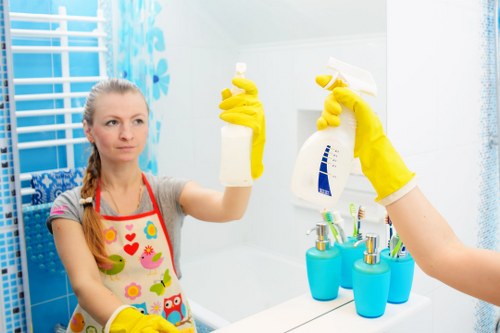
End of tenancy cleaning is the process of thoroughly cleaning a rental property before the tenant moves out, usually to meet the standards expected by landlords, letting agents, and inventory clerks. It is much more detailed than a routine tidy-up. The goal is to leave the property in a condition that supports a smooth inspection and helps reduce the risk of deposit deductions.
For many renters, end of tenancy cleaning can feel like a big task because it often includes deep-cleaning areas that are easy to overlook during day-to-day living. Kitchens, bathrooms, skirting boards, inside appliances, and hidden dust build-up all matter. A proper finish can make the difference between a stressful handover and a straightforward move-out process.
Whether you are a tenant preparing to leave, a landlord getting ready for new occupants, or a letting agent organizing a property reset, understanding end of tenancy cleaning can save time and avoid conflict. It is not only about making the home look nice; it is about meeting a standard that is commonly expected at the end of a tenancy.
Why End of Tenancy Cleaning Matters
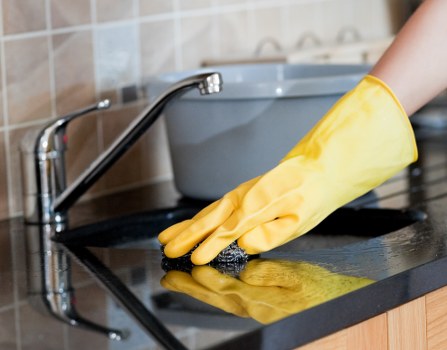
There are several reasons why end of tenancy cleaning is so important. The most obvious is the deposit. In many rental agreements, the property must be returned in a clean and presentable condition. If the place is left dusty, greasy, stained, or cluttered, the landlord may arrange professional cleaning and deduct the cost from the deposit.
Another reason is compliance with tenancy agreements. Most contracts include a cleanliness clause, and inventory reports often compare the property’s condition at move-in and move-out. A well-executed end of tenancy clean shows responsibility and reduces the chances of disputes.
It also creates a positive impression. Even if the property is not being sold, the condition it is left in influences future use. A spotless home is easier to market, easier to re-let, and easier to inspect. In that sense, end of tenancy cleaning is a practical investment in time and effort.
Common situations where it matters most
- Tenants aiming to secure a full or partial deposit return
- Landlords preparing a property for new occupancy
- Letting agents arranging pre-check-in cleaning
- Students moving out of shared accommodation
- Families relocating from long-term rental homes
What Is Included in a Professional End of Tenancy Clean?
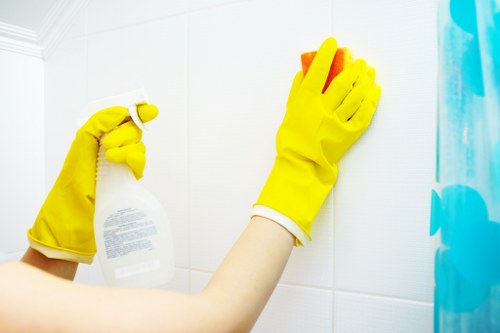
A professional end of tenancy cleaning service typically covers a far wider area than standard domestic cleaning. The exact checklist may vary by provider, property size, and condition, but the focus is always on deep-cleaning every accessible surface and feature.
In most cases, the service includes thorough kitchen cleaning, bathroom sanitation, dust removal, vacuuming, mopping, and attention to details such as light switches, door frames, and internal windows. Many services also clean inside cupboards, wipe down skirting boards, and remove limescale from taps and tiles.
For appliances, a quality end of tenancy clean often includes ovens, hobs, extractors, fridges, freezers, dishwashers, washing machines, and microwaves. These are some of the most inspected areas in a property because grease, food residue, and odors are common problems. Deep cleaning the kitchen and bathroom is especially important because these rooms tend to show wear more quickly than others.
Typical tasks included
- Deep oven cleaning and degreasing
- Cleaning inside cupboards and drawers
- Descaling sinks, taps, and shower fittings
- Wiping doors, handles, and switch plates
- Vacuuming carpets and edging floors
- Cleaning behind and around movable appliances
- Polishing mirrors and glass surfaces
How to Prepare Before the Cleaning Begins
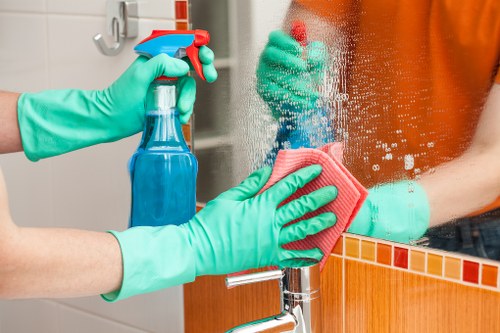
Preparation is one of the easiest ways to make end of tenancy cleaning more efficient. Before anything else, remove all personal belongings from the property. This allows cleaners to access every corner, including under beds, behind furniture, and inside cabinets. If items are left behind, the result may be incomplete and delays can occur.
It is also wise to defrost the freezer in advance if it is going to be cleaned. This prevents water build-up and saves time during the service. Likewise, empty all cupboards, shelves, and drawers so the team can deep-clean these spaces properly. In properties with carpets, remove any loose objects and fragile items to reduce the risk of damage.
Another helpful step is to check your tenancy agreement or inventory report. These documents often reveal what the landlord expects. Some properties require professional carpet cleaning, while others need garden tidying or appliance servicing. Planning ahead ensures the end of tenancy cleaning is aligned with the contract and avoids last-minute surprises.
Before the cleaning day, remember to:
- Remove all belongings and rubbish
- Defrost freezers and empty fridge contents
- Lift small furniture and personal items off the floor
- Report any damage that may need separate attention
- Make sure electricity and water are available if needed
Room-by-Room End of Tenancy Cleaning Focus

A strong end of tenancy cleaning plan is usually organized room by room. This helps ensure that no important area is missed and that each space gets the correct level of attention. A methodical approach is especially useful in larger homes or properties with multiple bathrooms, utility rooms, or storage spaces.
In the kitchen, the biggest priorities are grease removal, appliance cleaning, sink sanitation, and surface disinfection. In bathrooms, the focus is on limescale, soap scum, mold spots, grout lines, and making sanitary fixtures shine. Living rooms and bedrooms require dusting, vacuuming, window cleaning, and detail work around edges and hidden areas.
Hallways, stairs, and entrances are often forgotten, yet they are some of the first spaces inspected. Marks on walls, dirty skirting boards, and dusty corners are common issues. A careful end of tenancy clean makes these transitional spaces look neat and professional.
Kitchen
- Clean oven, hob, and extractor fan
- Wipe cabinets inside and out
- Sanitize sink, taps, and worktops
- Remove grease from splashbacks
- Clean fridge, freezer, and dishwasher interiors
Bathroom
- Descale taps, shower heads, and screens
- Scrub bath, toilet, sink, and tiles
- Remove mildew and soap residue
- Polish mirrors and chrome fixtures
- Disinfect high-touch surfaces
Bedrooms and living areas
- Dust furniture, shelves, and ledges
- Vacuum carpets and under beds
- Clean windows, frames, and sills
- Remove cobwebs from ceilings and corners
- Wipe doors, handles, and light switches
Why Hiring Professionals Can Be Worth It
Many people try to manage end of tenancy cleaning themselves, and in some cases that works well. However, professional cleaners bring experience, equipment, and efficiency that can make a significant difference. They know what landlords and agents tend to check, and they can tackle stubborn grime faster than a typical DIY effort.
Professional teams often use specialist tools such as steam cleaners, industrial vacuums, and commercial-grade detergents. These can remove build-up that ordinary household products struggle with. If the property has been occupied for years, has pets, or includes heavily used appliances, professional end of tenancy cleaning can be the safer and faster option.
There is also a time-saving benefit. Moving home is stressful enough without spending days scrubbing floors and appliances. By booking a service, you free up time to focus on packing, admin, and logistics. In many cases, the cost of cleaning is outweighed by the value of a cleaner property and the reduced likelihood of deductions.
Benefits of professional cleaning
- Higher cleaning standards and better results
- Access to commercial tools and products
- Less stress during the moving process
- Faster completion than most DIY efforts
- Improved chance of passing final inspection
Tip:
Book early so the cleaning can be scheduled close to your move-out date. That keeps the property fresh for inspection and reduces the chance of dust or dirt returning before handover.
DIY End of Tenancy Cleaning Tips That Actually Help
If you prefer to handle end of tenancy cleaning yourself, a structured approach will help you work more efficiently. Start from the top of each room and move downward. Dust shelves, light fittings, and upper surfaces first so debris falls onto floors that will be cleaned later. This avoids redoing work and gives a more polished result.
Use the right tools for the job. Microfiber cloths are excellent for dusting and polishing, while non-scratch sponges are better for delicate surfaces. Strong but safe cleaning products are useful for grease, scale, and stains. Always follow product labels and test new chemicals in a small area if you are unsure about surface compatibility.
Focus on the areas that are most likely to be inspected. That usually means ovens, bathrooms, floors, windows, and skirting boards. Small details matter too: wiping around handles, behind toilets, along edges, and inside drawers can make the difference between an average clean and a property that looks properly cared for.
Useful DIY strategies
- Create a room-by-room checklist
- Clean one area fully before moving to the next
- Use hot water where safe to improve grease removal
- Let products sit for a few minutes on tough stains
- Finish with vacuuming and mopping for a fresh result
End of Tenancy Cleaning Mistakes to Avoid
Even a well-meaning effort can fall short if a few common mistakes are made. One of the biggest is underestimating how detailed end of tenancy cleaning needs to be. Surface-level wiping is rarely enough when an inspection compares the property against the original inventory.
Another common issue is forgetting hidden areas. Behind appliances, inside cabinets, along window tracks, and under beds are all places where dust and debris accumulate. Skipping these areas can make a property appear poorly maintained, even if the visible areas are clean. Attention to detail is essential.
Rushing is also a problem. If you leave the cleaning until moving day, you may not have the time or energy to do it properly. Planning ahead gives you room to handle unexpected issues such as stains, repairs, or appliance problems. A calm, organized approach is far more likely to produce a successful result.
Common mistakes include:
- Ignoring behind and beneath large furniture
- Not cleaning appliances inside and out
- Leaving limescale or mold untreated
- Forgetting to empty bins and cupboards
- Using the wrong products on sensitive surfaces
How Landlords and Agents Typically Assess Cleanliness
Understanding how landlords and letting agents review a property can help you plan your end of tenancy cleaning more effectively. They usually compare the current condition with the move-in inventory, which may include written notes and photographs. The expectation is often that the property will be returned in a similar level of cleanliness, allowing for fair wear and tear.
They are especially likely to inspect kitchens, bathrooms, floors, and windows. Marks on walls, stains on carpets, dust on surfaces, and grime in appliances are common points of concern. If a room looks neglected, it may trigger a deeper inspection, so every visible and accessible area should be cleaned carefully.
Cleanliness is often judged from both a practical and visual perspective. A room may be technically clean but still appear dull if surfaces are streaky, floors are dusty, or fittings are neglected. That is why end of tenancy cleaning should focus not only on hygiene but also on presentation and finish.
What they tend to notice quickly
- Sticky kitchen surfaces
- Dirty bathroom fittings
- Dust on shelves and skirting
- Carpet stains or floor marks
- Leftover rubbish or strong odors
SEO-Relevant Reasons People Search for End of Tenancy Cleaning
People often search for end of tenancy cleaning when they are under pressure and need fast, reliable solutions. Common searches include questions about costs, checklists, deposit returns, deep cleaning, oven cleaning, and move-out cleaning services. This topic remains highly relevant because tenants move frequently and landlords need properties turned around quickly.
Search intent also varies. Some readers want a practical checklist, others want help understanding what is included, and some are comparing professional services with DIY methods. Using terms like move-out cleaning, rental property cleaning, deep clean before moving out, and deposit-return cleaning helps capture different types of interest while staying natural and readable.
For website owners and service providers, this means content should answer real concerns clearly. The most effective pages are usually those that explain the process, show value, and support decision-making. That is why strong content around end of tenancy cleaning often performs well in search results.
Related search phrases
- End of tenancy cleaning checklist
- Professional end of tenancy clean
- Move out cleaning service
- Rental cleaning before handover
- Deep cleaning for tenancy end
How to Plan the Cleaning Schedule Efficiently
Good timing is one of the smartest parts of end of tenancy cleaning. Ideally, the property should be cleaned after most belongings are removed but before the final inspection. This prevents dust from settling again and allows each room to be cleaned properly without obstructions.
If you are coordinating movers, repairs, and cleaning at the same time, build in a little buffer. This is especially important if the property is large or if extra tasks such as carpet shampooing or oven restoration are needed. A realistic schedule reduces pressure and improves the outcome.
Some people choose to clean in stages. For example, they may start with storage areas, then move on to bedrooms, and leave the kitchen and bathrooms for the end. Others prefer to tackle the toughest areas first. Either method can work, as long as the process is organized and nothing is left until the very last minute.
Helpful planning approach:
- Set the move-out date and inspection date
- Identify problem areas early
- Decide whether to clean yourself or hire help
- Gather supplies or book a service
- Leave time for a final walk-through
Final Thoughts on End of Tenancy Cleaning
End of tenancy cleaning is one of the most important steps in a move-out process because it affects deposit returns, inspection outcomes, and the overall impression left behind. When done well, it creates a smooth transition for tenants, landlords, and future occupants alike.
Whether you choose to clean the property yourself or hire professionals, the key is detail, planning, and consistency. Every room should be treated with care, with special focus on kitchens, bathrooms, floors, and hidden areas. A well-executed end of tenancy clean is more than a chore; it is a practical way to protect your interests and finish a tenancy on the right note.
If you are preparing to move, now is the time to act. Create your checklist, review your tenancy terms, and decide on the best cleaning plan for your property. Contact us today or book your service now if you want a cleaner, more confident move-out experience.
In short: a thorough end of tenancy cleaning process helps reduce stress, supports a successful handover, and gives everyone involved a better result.