Oven Cleaning in Homes and Busy Kitchens: Practical Tips, Benefits, and Professional Results
Keeping your kitchen clean is one thing, but oven cleaning often gets pushed to the bottom of the list. It is easy to ignore a greasy oven door, burnt-on spills, or a smoky smell while cooking, yet those signs usually mean the appliance needs attention. A clean oven is not just about appearance. It supports better cooking results, reduces unpleasant odors, helps your appliance run more efficiently, and can even improve kitchen hygiene.
Whether you cook daily or only occasionally, oven cleaning matters more than many people realize. When grease, food residue, and carbon buildup accumulate inside the oven, they can affect heat distribution and create stubborn stains that become harder to remove over time. Regular maintenance makes the job easier and helps extend the life of the appliance.
In this article, we will look at the importance of oven cleaning, the most effective methods, common mistakes to avoid, and when it makes sense to call in a professional service. If you want a cleaner kitchen, better-tasting meals, and a more pleasant cooking environment, this is a great place to start.
Why Oven Cleaning Matters More Than You Think
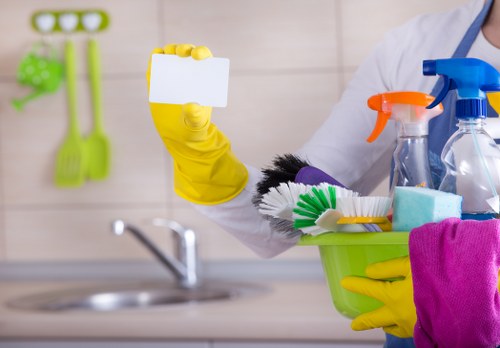
Many homeowners focus on wiping down countertops and mopping floors, but the oven often receives less frequent care. Unfortunately, baked-on grease and food splatter do not go away on their own. Over time, residue can harden into layers that are difficult to remove with standard household cleaners. That is why regular oven cleaning is so important.
A neglected oven can impact cooking performance in several ways. First, burnt residue may emit smoke during use, especially at high temperatures. Second, the buildup can create odors that transfer to food, affecting flavor. Third, an unclean oven can make it harder to maintain even heat, which may lead to uneven baking or roasting. Proper oven cleaning helps prevent these issues before they become a bigger problem.
There is also the hygiene factor. Food particles and grease are not just unattractive; they can become a breeding ground for bacteria and pests if left too long. A clean oven contributes to a healthier kitchen environment and reduces the chances of lingering contamination. In short, oven cleaning supports both appearance and functionality.
The Hidden Cost of Delaying Oven Cleaning
Putting off oven cleaning may seem harmless at first, but the longer you wait, the more effort the job usually requires. Fresh spills can often be wiped away with relative ease, while older residue may need scraping, soaking, and repeated treatment. This means more time, more effort, and potentially more expense if you eventually need professional help.
In addition, stubborn buildup can affect the oven’s internal components. Grease around fans, seals, and heating elements may reduce efficiency and contribute to wear. If your oven is working harder than it should, energy use can rise and performance may decline. Regular oven cleaning is a simple way to protect your appliance investment.
Finally, there is the matter of safety. Excess grease can smoke heavily or, in rare cases, ignite if exposed to very high heat. While modern ovens are built with safety features, keeping the interior clean remains a smart precaution. A little routine oven cleaning can help avoid unnecessary risks.
Signs Your Oven Needs Attention
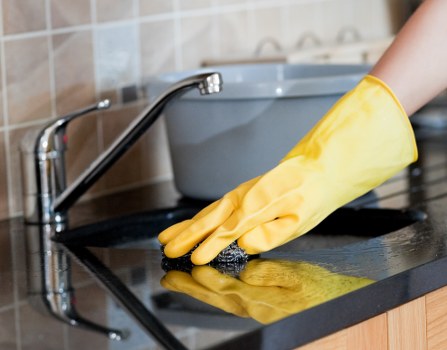
Not sure whether it is time for oven cleaning? The signs are usually easy to spot once you know what to look for. A strong burnt smell when the oven is turned on is one of the clearest indicators. Smoke that appears during preheating or cooking is another sign that grease and residue have built up inside.
Visible stains, blackened racks, sticky residue on the oven door, and crumbs or debris at the bottom of the oven also suggest it needs cleaning. If your food starts tasting slightly smoky or if baked goods are cooking unevenly, dirty oven surfaces may be the cause. These are all common reasons people begin searching for oven cleaning solutions.
Sometimes the signs are subtle. You may notice that the glass door looks cloudy, the knobs feel greasy, or the oven emits an unpleasant smell even when empty. These are early warnings that a deeper clean would be beneficial. Taking care of these issues promptly makes oven cleaning faster and easier.
How Often Should You Clean an Oven?
The right cleaning schedule depends on how often you cook and what kinds of meals you prepare. If your household uses the oven several times a week, a light wipe-down after spills and a deeper oven cleaning every few months is often a good approach. For lighter use, a more occasional schedule may be enough.
Frequent roasting, baking with sugary sauces, and high-fat dishes tend to create more splatter and smoke, which means the oven will need attention sooner. Families who cook regularly may benefit from monthly maintenance checks. Even if you only use the oven sometimes, checking it after messy meals can prevent residue from hardening.
A practical rule is this: clean small messes as soon as the oven cools, and plan a full oven cleaning session before buildup becomes visible from outside the appliance. Consistency matters more than intensity, and a little ongoing care saves much more time later.
Effective Methods for Oven Cleaning

There is no single best way to approach oven cleaning. The right method depends on the level of grime, the oven type, and your preference for natural or commercial products. Some people like simple household ingredients, while others prefer stronger degreasers or self-cleaning functions. Each method has pros and cons, so it helps to understand the options.
Before starting, always make sure the oven is cool and switched off. Remove racks, trays, and any loose debris first. This makes the job easier and allows cleaning products to work more effectively. Good preparation can significantly improve the results of your oven cleaning effort.
Always check the manufacturer’s instructions before using cleaners or activating self-clean mode. Some surfaces, coatings, or internal parts may require special treatment. Following the correct method protects the appliance while giving you a better finish.
1. Baking Soda and Vinegar
One of the most popular DIY oven cleaning approaches uses baking soda and vinegar. Baking soda works as a gentle abrasive, helping to loosen grime without harsh chemicals, while vinegar can help dissolve residue and neutralize odors. This method is especially useful for moderate buildup.
To use this technique, mix baking soda with a small amount of water until it forms a spreadable paste. Apply it to the interior surfaces of the oven, avoiding heating elements. Let it sit for several hours or overnight, then wipe it away with a damp cloth. A spray of vinegar can help remove leftover residue and leave the oven looking fresher.
This method is affordable and widely accessible, making it a favorite for routine oven cleaning. However, it may not be strong enough for heavy carbon buildup or years of accumulated grease.
2. Commercial Oven Cleaners
Commercial cleaners are designed for tough grease and burnt-on stains. They can be highly effective for deep oven cleaning, especially when the oven has not been cleaned in a long time. These products often work quickly and can reduce the amount of scrubbing required.
That said, they should be used with care. Many contain strong chemicals, so good ventilation is important. Gloves are also recommended to protect your skin. Always follow the instructions exactly and avoid mixing different cleaning products. Safety should remain a top priority during any oven cleaning process.
If you choose a commercial product, test it on a small area first when possible. This helps ensure the finish is compatible and prevents damage to sensitive surfaces. A careful approach often delivers the best result.
3. Self-Cleaning Ovens
Some modern ovens have a self-cleaning function that uses high heat to burn off residue. This can be a convenient option for oven cleaning, but it is not always the easiest or most odor-free solution. During the cycle, the oven reaches extremely high temperatures, turning food and grease into ash that can later be wiped away.
While effective, self-cleaning cycles can produce strong smells and smoke, and the process takes time. It is also important to remove racks or check the manual, since some oven components may not be safe under such intense heat. For many households, self-cleaning is best used occasionally rather than as the only method of oven cleaning.
If your oven has this feature, be sure to ventilate the kitchen well and monitor the process as recommended by the manufacturer. A careful setup helps the cycle work as intended.
Step-by-Step Oven Cleaning Process
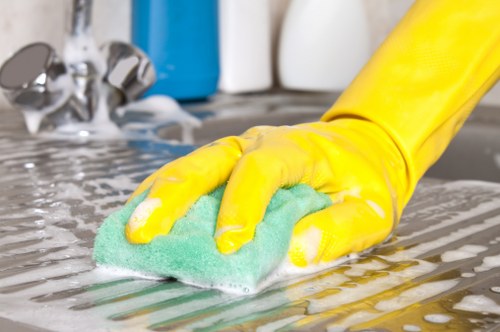
A structured approach makes oven cleaning more efficient and less frustrating. Start by gathering your supplies, which may include gloves, microfiber cloths, a sponge, a scraper, warm water, and your chosen cleaner. Having everything ready before you begin saves time and helps keep the process organized.
Next, remove the oven racks and soak them in warm soapy water if needed. This can loosen grease while you focus on the interior. Wipe away loose crumbs and debris from the oven floor, making sure not to scratch surfaces. Proper preparation is one of the easiest ways to improve oven cleaning results.
Once the loose debris is removed, apply your cleaner evenly across the interior surfaces. Let it sit for the recommended amount of time so it can break down buildup. After that, use a cloth or sponge to wipe away the loosened grime. For stubborn spots, repeat the process or use a non-abrasive scraper carefully.
Cleaning the Oven Door and Glass
The oven door is often the most visible part of the appliance, so it deserves special attention. Grease splatters and cloudiness on the glass can make even a clean kitchen look untidy. For effective oven cleaning, use a suitable cleaner that will not damage the glass or surrounding seals.
Apply the cleaner to the glass and let it sit for a few minutes. Then wipe it off using a microfiber cloth or soft sponge. For baked-on spots, repeat the process rather than scrubbing too aggressively. Gentle but consistent care usually works best during oven cleaning.
Do not forget the handle, edges, and control panel area. These places often collect grease from hands and cooking steam. A clean oven door makes the whole appliance look newer and more cared for.
Racks, Trays, and Removable Parts
Racks, trays, and other removable parts can usually be cleaned separately for better results. Soaking them in warm water with dish soap can help soften grease and food residue. For heavier buildup, a baking soda paste or a dedicated degreaser may be useful. Removing these items is an important part of thorough oven cleaning.
After soaking, scrub each piece with a non-scratch pad and rinse well. Dry them completely before returning them to the oven. Clean accessories improve the overall appearance and reduce the chance of odor or smoke during future cooking.
Common Mistakes to Avoid During Oven Cleaning
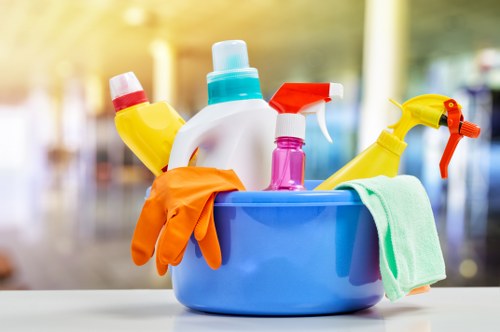
Even with the best intentions, some mistakes can make oven cleaning less effective or even cause damage. One common mistake is using metal scrapers or abrasive pads on delicate surfaces. These tools can scratch the enamel or glass, leaving permanent marks. It is better to start gently and increase effort only if needed.
Another mistake is applying too much liquid. Excess moisture can seep into electrical parts, seals, or insulation, which may create problems later. Use cleaners sparingly and avoid flooding the oven interior. Smart, controlled application is a key part of safe oven cleaning.
People also sometimes forget to ventilate the space. Strong cleaners and built-up grease can create fumes, so open windows and use fans where possible. This keeps the area more comfortable and helps reduce irritation. Always treat oven cleaning as a task that deserves proper safety precautions.
Other Errors That Can Cause Problems
- Cleaning heating elements directly without checking the manual.
- Forgetting to remove loose crumbs before applying cleaner.
- Using harsh chemicals on self-cleaning or specialty ovens.
- Reinstalling racks before they are fully dry.
- Ignoring the door seals, which can trap grease and affect performance.
Paying attention to these details helps you get better results with less effort. A careful method is usually the most reliable way to handle oven cleaning.
Another useful tip is to clean the oven when you have enough time to do the job properly. Rushing often leads to missed spots and incomplete results. If your schedule is packed, it may be more practical to book a professional service rather than forcing a quick cleanup.
When Professional Oven Cleaning Makes Sense
There are times when DIY oven cleaning is enough, and other times when a professional service is the better choice. If the oven has years of buildup, strong odors, or residue that refuses to budge, a professional cleaner can save time and deliver a deeper result. This is especially useful for households that use the oven heavily or for those preparing a property for sale or move-in.
Professional oven cleaning can also be helpful if you want to avoid harsh chemicals or simply do not have time for a thorough manual clean. Trained cleaners often know how to handle different oven models, including conventional ovens, double ovens, and range cookers. Their equipment and products are usually designed for stubborn grease and carbon deposits.
Another advantage is convenience. Instead of spending hours scrubbing and soaking, you can let experts handle the difficult work while you focus on other tasks. If the oven is a major part of your kitchen routine, investing in professional care may be well worth it. Book your service now if your appliance needs more than a surface wipe.
What a Professional Service Typically Focuses On
- Interior walls, ceiling, and base of the oven.
- Oven door glass and frame.
- Racks, trays, and removable components.
- Grease and carbon deposits in hard-to-reach areas.
- Odor reduction and finishing touches for a polished look.
While the exact process varies, the goal is always the same: a cleaner, safer, and more efficient appliance. If your oven has not been cleaned in a long time, professional assistance can be a smart solution.
How to Keep Your Oven Cleaner for Longer
The best way to reduce future work is to maintain the oven regularly. Wiping up spills soon after cooking can prevent them from becoming baked-on stains. Once the oven cools, remove any visible residue before it hardens. This habit alone makes oven cleaning far less demanding.
Using trays or baking sheets to catch drips can also help. When roasting or baking foods that are likely to bubble over, place a tray underneath if appropriate. Small habits like these protect the interior surfaces and keep the appliance looking better for longer. Routine care is the secret to easier oven cleaning.
It is also useful to check the oven door seal and vents periodically. Grease in these areas can spread odors and affect performance. If you notice buildup, wipe it away carefully using a suitable cleaner. Keeping up with small tasks means you will need fewer deep-clean sessions.
Practical Maintenance Habits
- Wipe spills after the oven cools.
- Clean the door glass regularly.
- Remove crumbs from the base.
- Soak racks before grime builds up.
- Schedule periodic deep oven cleaning.
These simple routines create a cleaner kitchen environment and help your appliance perform more reliably. The less buildup you allow, the easier every future cleaning session becomes.
Final Thoughts on Oven Cleaning
Oven cleaning may not be the most exciting household task, but it is one of the most worthwhile. A clean oven supports better cooking, reduces smoke and odor, improves hygiene, and helps your appliance last longer. Whether you prefer DIY methods, commercial cleaners, or professional assistance, the important thing is to stay consistent.
If you have been putting off oven cleaning, now is a great time to take action. Start with a quick inspection, remove loose debris, and choose the method that suits your oven and schedule. For heavy buildup or when you want exceptional results with less effort, professional help can make all the difference. Contact us today to take the next step toward a cleaner, fresher kitchen, or book your service now if your oven is ready for a proper refresh.
With the right approach, oven cleaning becomes less of a chore and more of a smart maintenance habit. A little attention today can save time, money, and frustration tomorrow.