Office Cleaning in Modern Workspaces: A Practical Approach to Healthier, More Productive Offices
Office cleaning is more than a routine chore; it is a core part of maintaining a professional, healthy, and productive workplace. Whether you manage a small business, a corporate headquarters, a co-working environment, or a hybrid office space, the quality of your office cleaning program directly affects first impressions, employee well-being, and the overall atmosphere of your workplace. In today’s fast-paced environment, businesses are paying closer attention to cleanliness standards, sanitation protocols, and the role that a clean office plays in daily operations.
When people walk into a workplace, they notice the reception area, the condition of shared surfaces, the odor of the space, and whether the office feels organized. Strong office cleaning practices help create a polished image while reducing germs, dust, and clutter. From daily maintenance to periodic deep cleaning, every part of the process contributes to a safer and more efficient working environment. For organizations looking to improve workplace hygiene, office cleaning is an investment that supports both operations and morale.
In this article, we’ll explore what office cleaning involves, why it matters, the most important areas to clean, the benefits of professional cleaning services, and how businesses can build an effective cleaning schedule. If you are evaluating office cleaning options or simply want to improve your current routine, the information below will help you make informed decisions. Clean offices perform better, feel better, and present better.
Why Office Cleaning Matters for Every Business

Office cleaning is essential for health, comfort, and performance. Shared workplaces contain high-touch surfaces, electronic equipment, break rooms, restrooms, and meeting spaces that can quickly accumulate dirt and bacteria. Without proper cleaning, these areas may contribute to sickness, allergies, and a general decline in workplace hygiene. A consistent office cleaning strategy helps reduce these risks while keeping the workspace fresh and presentable.
Clean offices also support productivity. Employees work better in organized environments that feel cared for and orderly. When desks are clutter-free and common areas are well maintained, staff can focus more easily on their tasks. In contrast, neglected spaces can create distractions, lower morale, and even affect how employees perceive the company culture. Office cleaning is not just about appearance; it is about creating conditions that help people do their best work.
First impressions matter in business. Clients, vendors, and job candidates often form opinions within seconds of entering a workplace. A spotless lobby, polished floors, and tidy meeting rooms communicate professionalism and attention to detail. Whether your business meets with customers regularly or operates behind the scenes, office cleaning helps reinforce trust and credibility.
What Office Cleaning Typically Includes

Office cleaning can vary by building size, industry, and business needs, but most service plans include a combination of daily maintenance, sanitization, and periodic deep cleaning. A well-structured office cleaning routine usually addresses both visible surfaces and hidden problem areas that collect dust and debris over time. The goal is to maintain a consistently hygienic and pleasant environment.
Typical office cleaning tasks may include:
- Vacuuming carpets and rugs
- Mopping hard floors
- Dusting desks, shelves, and fixtures
- Cleaning and sanitizing restrooms
- Wiping down high-touch points such as door handles and light switches
- Emptying trash and recycling bins
- Cleaning kitchen and break room surfaces
- Polishing glass and mirrors
- Spot-cleaning walls and entry areas
- Restocking hand soap, paper towels, and other supplies
Some workplaces also need specialized office cleaning services such as carpet shampooing, window cleaning, floor stripping and waxing, or disinfection services. The exact scope depends on the facility type and the cleanliness standards expected by management. A well-defined checklist helps ensure nothing is overlooked.
Key Areas That Need Special Attention
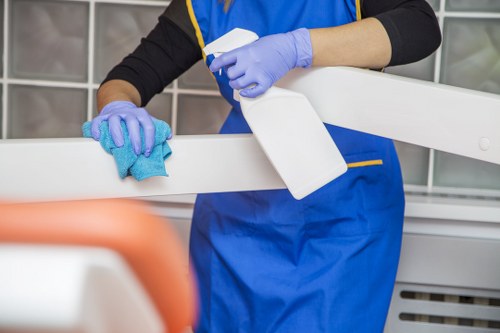
Not every part of an office requires the same level of cleaning, but some areas deserve extra attention because they are touched frequently or affect how people experience the workplace. Office cleaning should prioritize these zones to maximize results and reduce the spread of germs.
Reception and entrance areas
The entrance is one of the most visible spaces in any office. Clean glass doors, tidy flooring, and dust-free furniture help create a professional setting from the moment someone arrives. Reception areas should be cleaned regularly to ensure they remain inviting and organized.
Desks and workstations
Employee desks often hold monitors, keyboards, phones, documents, and personal items. Office cleaning in workstation areas should focus on dust removal, sanitizing accessible surfaces, and respecting employee privacy and belongings. Cleaning around cables and equipment also helps reduce buildup in hard-to-reach places.
Meeting rooms
Conference rooms are shared spaces where clients and teams gather. Chairs, tables, remote controls, and presentation equipment should be cleaned and sanitized regularly. A clean meeting room supports productive discussions and projects a polished image to visitors.
Restrooms and break rooms
These areas are especially important because they affect both hygiene and employee comfort. Restrooms must be disinfected thoroughly, while break rooms require attention to counters, sinks, appliances, and shared surfaces. Strong office cleaning practices in these spaces help prevent odors, germs, and unpleasant experiences.
Benefits of Professional Office Cleaning Services
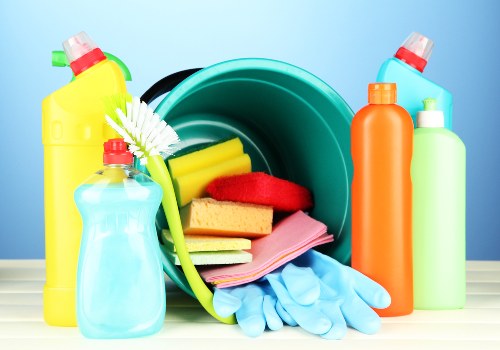
Many businesses start with internal cleaning routines, but professional office cleaning services often deliver a higher standard of consistency and efficiency. Trained cleaners use the right equipment, products, and techniques to handle everything from daily upkeep to deep sanitation. This can save time while improving overall results.
One major benefit is consistency. Professional office cleaning teams follow checklists and schedules that ensure tasks are completed properly and on time. This reliability is especially valuable for busy organizations that cannot afford to let cleanliness slip. Staff members can focus on their primary responsibilities instead of spending time managing cleaning tasks.
Another advantage is expertise. Professional cleaners understand how to clean different surfaces safely, which products to use in various environments, and how to handle sensitive areas such as shared electronics or flooring materials. Their knowledge helps protect office assets while delivering a cleaner workplace.
Additional benefits include:
- Improved workplace health and sanitation
- Better indoor air quality through dust removal
- Reduced clutter and improved organization
- More presentable client-facing spaces
- Longer lifespan for carpets, floors, and furniture
- Less stress for employees and managers
For businesses seeking a reliable and scalable solution, professional office cleaning can be a smart long-term choice. It supports day-to-day operations while helping the office maintain a consistently high standard.
How Office Cleaning Supports Employee Health and Morale

Clean workplaces contribute to healthier teams. Dust, allergens, bacteria, and germs can build up quickly in offices with many employees and visitors. Regular office cleaning helps reduce exposure to these irritants, which may lower the likelihood of illness and improve overall comfort. In high-traffic environments, sanitation is especially important for high-touch surfaces such as elevator buttons, shared keyboards, kitchen handles, and conference tables.
Employee morale is also closely tied to the condition of the workplace. People generally feel more valued when they work in a clean and organized space. A fresh office signals that management cares about the environment and the people inside it. This can have a positive effect on motivation, teamwork, and job satisfaction.
Office cleaning can even support mental clarity. Cluttered or dirty environments often create subtle stress, while tidy surroundings make it easier to concentrate. When employees are not distracted by mess or unpleasant odors, they can stay more focused and productive throughout the day. A cleaner office often leads to a calmer, more efficient workplace.
Health-focused cleaning priorities
To support wellness, many workplaces are expanding their office cleaning efforts beyond basic dusting and vacuuming. This may include more frequent disinfection of shared surfaces, use of low-odor cleaning products, and detailed attention to restrooms and lunch areas. These practices help create a workplace that feels safer and more comfortable for everyone.
Building an Effective Office Cleaning Schedule
A successful office cleaning program depends on scheduling. Different tasks should happen at different intervals depending on foot traffic, office size, and business activity. A structured plan makes it easier to maintain consistency and avoid neglected areas. Businesses that create a clear routine often see better results than those relying on occasional or reactive cleaning.
Here is a simple way to think about office cleaning frequency:
- Daily tasks: Empty trash, clean restrooms, wipe high-touch surfaces, and tidy common areas.
- Weekly tasks: Dust furniture, vacuum thoroughly, mop floors, clean break rooms, and sanitize shared equipment.
- Monthly tasks: Deep-clean carpets, clean baseboards, polish floors, and inspect hard-to-reach spaces.
- Quarterly or seasonal tasks: Window cleaning, upholstery cleaning, and comprehensive deep cleaning projects.
It is also useful to tailor office cleaning schedules to business needs. For example, offices that host frequent visitors may require more frequent cleaning in reception and meeting spaces. Facilities with shared desks may need extra sanitization, while larger buildings may need zoning strategies to ensure efficient coverage. The best schedule is one that matches real usage patterns.
Signs your office cleaning schedule needs improvement
- Dust returns quickly after cleaning
- Restrooms run out of supplies often
- Trash bins overflow or smell bad
- Employees complain about clutter or odors
- Shared spaces look uneven or neglected
If these issues are happening, it may be time to review the office cleaning plan and make adjustments.
Choosing the Right Office Cleaning Approach
Every office has unique cleaning needs. A small professional suite may require simple daily maintenance, while a large corporate office could need a more detailed program. Choosing the right office cleaning approach starts with assessing traffic levels, the number of employees, the type of flooring, the layout of the building, and the expectations of management.
Some businesses prefer in-house cleaning staff, especially when they want direct control over scheduling and procedures. Others choose outsourced office cleaning services because they want access to specialized equipment and trained professionals. Both approaches can work well when managed properly. The most important factor is consistency.
When comparing options, consider these factors:
- Experience with office environments
- Availability of customized service plans
- Use of safe and effective cleaning products
- Ability to handle both routine and deep cleaning
- Flexibility around business hours
- Clear checklists and quality standards
Reliable office cleaning is not one-size-fits-all. It should be designed around the way your workplace operates and the image you want to present.
Office Cleaning and Workplace Productivity
There is a clear connection between office cleaning and productivity. Employees tend to work more efficiently when they are not distracted by mess, dust, or poorly maintained shared areas. A clean environment supports better focus, smoother workflows, and less time spent dealing with avoidable frustrations. This is especially true in offices where teams collaborate often and use common facilities throughout the day.
Productivity also benefits from better organization. Office cleaning often goes hand in hand with decluttering, waste removal, and improved space management. When papers, packaging, and unused items are removed regularly, workstations become easier to use and navigate. Teams can locate materials faster and maintain a more professional rhythm.
In many organizations, office cleaning contributes to better time management as well. Employees do not need to clean up after major messes or cope with neglected areas that interrupt daily operations. As a result, they can spend more energy on the tasks that matter most. Clean offices help create efficient workplaces.
Best Practices for Maintaining a Clean Office Between Services
Even with professional office cleaning, daily habits play a major role in keeping the workplace in good condition. Employees and managers can support the cleaning process by following simple best practices that reduce clutter and prevent messes from building up.
Practical habits that help
- Encourage employees to clear their desks at the end of each day
- Provide labeled bins for trash and recycling
- Keep disinfecting wipes available in common areas
- Remind staff to clean spills promptly
- Store office supplies in organized cabinets or drawers
- Schedule regular emptying of shared refrigerators and kitchen areas
These small actions can make a noticeable difference. They support ongoing office cleaning efforts and help preserve the results of professional services. When everyone contributes, the workplace stays cleaner for longer.
Training employees to respect shared spaces
Workplace cleanliness improves when employees understand expectations. Simple reminders about kitchen etiquette, desk organization, and restroom courtesy can reduce unnecessary mess. Leadership can set the tone by modeling clean habits and reinforcing the value of shared responsibility.
Why consistency matters
Consistency is often the difference between a workplace that looks clean occasionally and one that always feels maintained. Regular office cleaning, combined with good daily habits, creates a dependable standard that benefits the whole business.
The Role of Green Cleaning in Office Environments
Many organizations are increasingly interested in environmentally responsible office cleaning. Green cleaning focuses on products and methods that are safer for people and the planet. This may include low-toxicity cleaners, microfiber cloths, reusable supplies, and reduced use of harsh chemicals. For businesses aiming to improve indoor air quality and support sustainability goals, this approach can be very effective.
Green office cleaning can be especially valuable in sensitive environments where employees may have allergies or chemical sensitivities. Using environmentally mindful products may reduce strong odors and irritants while still delivering strong cleaning performance. It also aligns well with companies that want to demonstrate responsible business practices.
When selecting eco-friendly office cleaning methods, it is important to ensure that they still meet hygiene standards. The goal is not simply to use greener products, but to maintain a clean and sanitary workplace that supports both health and sustainability. Responsible cleaning can be both effective and environmentally aware.
How to Tell If Your Office Needs a Deep Clean
Routine office cleaning is important, but every workplace eventually needs a deep clean. Deep cleaning reaches areas that standard maintenance may not cover as thoroughly, such as behind furniture, under equipment, around baseboards, and inside neglected corners. It helps reset the space and address buildup that accumulates over time.
Signs that your office may need deep cleaning include:
- Visible dust in vents, corners, or on top of cabinets
- Persistent odors in restrooms, break rooms, or carpeted areas
- Carpets that look dull or stained
- Grime on walls, switches, or trim
- Shared spaces that no longer feel fresh despite routine cleaning
Deep cleaning can be scheduled seasonally, after renovations, before major events, or whenever the office starts to show signs of buildup. It is a useful way to restore freshness and keep the workspace looking its best.
Office Cleaning for Different Types of Workplaces
Although the fundamentals remain the same, office cleaning can look different depending on the type of workplace. A law firm, medical office, creative agency, and tech startup may all have distinct cleaning priorities. Understanding those differences helps create more effective cleaning plans.
For example, professional service offices may emphasize client-facing areas, meeting rooms, and polished presentation. Tech spaces may focus on shared desks, devices, and collaborative zones. Multi-tenant buildings may require attention to hallways, restrooms, and common entry points. The best office cleaning plans are designed around real use cases, not just surface appearance.
This flexibility is one of the reasons office cleaning remains such an important service. It adapts to changing work environments, hybrid schedules, and unique building layouts. As workplaces continue to evolve, cleaning routines must evolve too.
Final Thoughts on Office Cleaning
Office cleaning is one of the simplest ways to improve the look, feel, and function of a workplace. It supports health, boosts morale, protects assets, and reinforces a strong professional image. Whether your business needs routine maintenance, targeted sanitation, or periodic deep cleaning, a thoughtful approach can make a meaningful difference.
When offices stay clean, employees feel more comfortable and clients notice the care behind the space. Over time, that can contribute to stronger performance, better organization, and a more positive business reputation. If your workplace is ready for a cleaner, healthier environment, now is the time to act. Contact us today to explore the right office cleaning solution for your needs, or Book your service now to keep your workspace looking its best.